Cameroon’s Giant Revealing the Region’s Premier Fuel Operation
Cameroon’s Giant Revealing the Region’s Premier Fuel Operation
Blog Article
" />
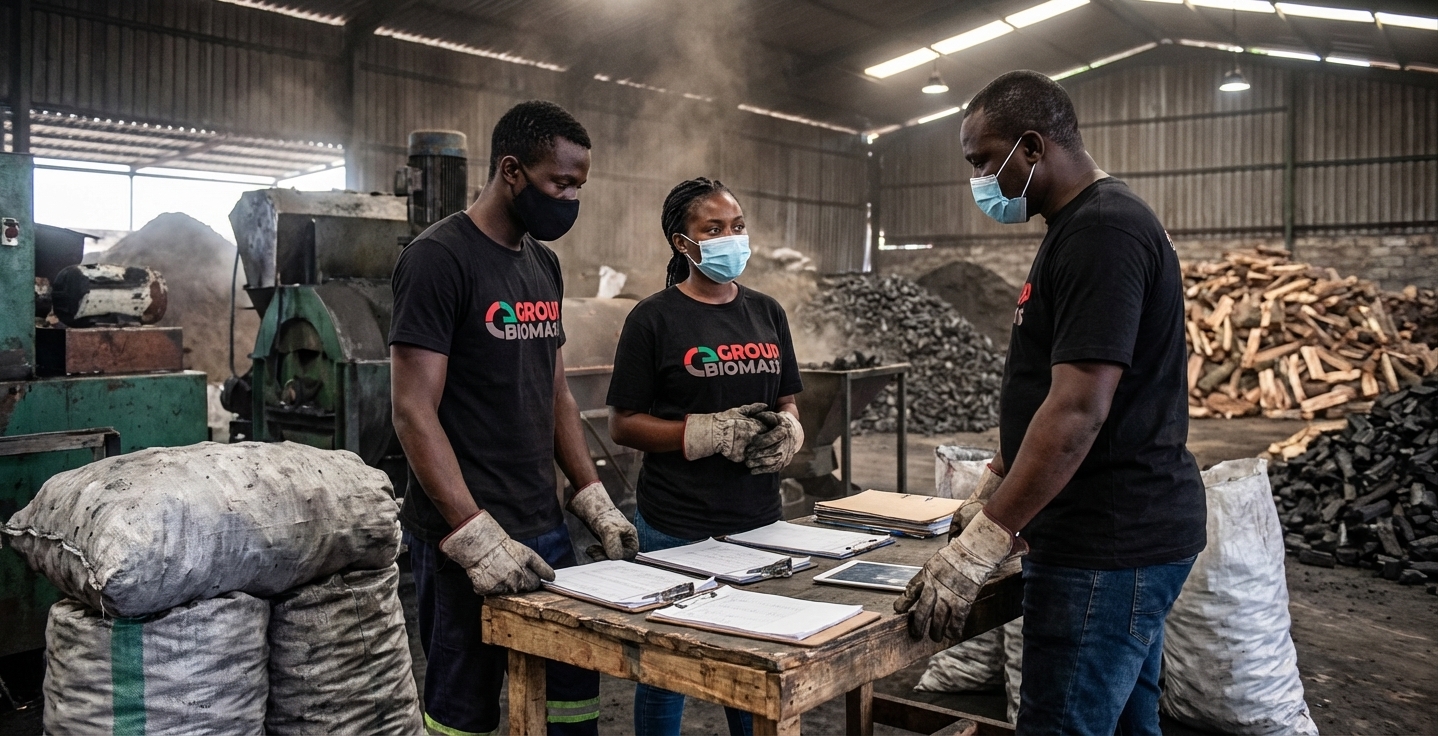
Deep within the country, a significant site check here stands as a representation to the growing demand for biomass. This production complex, reportedly the nation’s largest fuel operation, is drawing attention for both its output and the evident environmental ramifications. While creating jobs for local communities, the factory's activities are prompting questions about ethical forest harvesting and the overall well-being of the nation's woodlands .
Hardwood Briquet Carbon Shipment Boom: The Rising Player
Cameroon is witnessing a substantial surge in dense lump carbon shipments, positioning itself as a important source in the global market. Driven by expanding demand from European United States and Asian regions, the country’s production of this sustainable fuel is steadily expanding, offering new prospects for local farmers and strengthening the national financial situation. The emphasis on responsibly harvested timber lump charcoal is proving to be a critical element in gaining foreign investors.
Inside Cameroon’s Hardwood Lump Charcoal Factory: Production & Sustainability
Stepping into a common Cameroon hardwood lump fuel factory shows a remarkably straightforward system of manufacturing. Untreated trees, often collected from managed areas, are meticulously cut and moved to a oven. Here, the wood is slowly cooked with limited oxygen, a procedure that transforms it as lump charcoal. Despite the traditional methods employed can be difficult, more new factories are integrating improved techniques and pursuing ways to enhance the productivity and environmental sustainability. This encompasses dedicating in renewable energy and applying thorough waste management strategies.
The Charcoal Industry : A Major Role in Worldwide Sales
Despite mounting environmental anxieties, Cameroon’s charcoal industry remains a surprising yet vital player in the global sales market . The creation of charcoal from wood is a critical foundation of income for thousands of the nation's communities, particularly in rural regions . This operation generates a substantial volume of wood charcoal destined for international markets , often fueling cooking needs in other regions, though this need creates challenges relating to forest loss and responsible forest stewardship .
Le Contre Charbon Massif de Bois et Les Briquettes: Une Regard Camerounaise
En Cameroun, , le choix face à le charbon de bois en bloc et des briquettes pose une question . Habituellement, le charbon de bois a toujours été préféré en ses saveur typique et sa aptitude à donner une température forte, appropriée pour la rôtisseries régionales. Toutefois, les combustibles, plus faciles à acquérir et plus économiques , gagnent à popularité , notamment chez les régions urbaines .
Eco-friendly Charcoal Production : The Outlook of Cameroon’s Forest Sector
The current method of charcoal creation in Cameroon presents a serious challenge to its valuable hardwood woodlands . However, new sustainable practices offer a hopeful path forward. These include technologies like agricultural waste gasification and efficient earth kilns , which reduce deforestation, lower emissions, and provide economic opportunities for local populations . Embracing these environmentally sound methods is essential to safeguarding Cameroon's biological heritage and guaranteeing the long-term sustainability of its hardwood business while mitigating climate concerns.
Report this page